
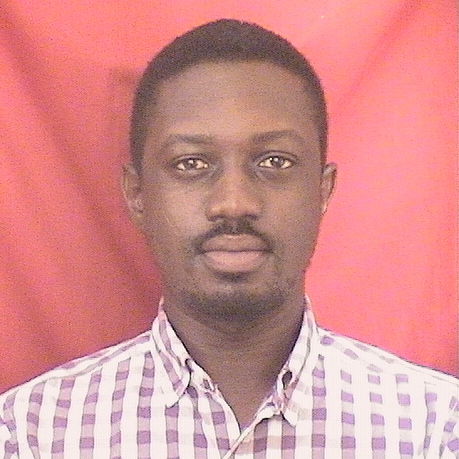
Profile
Dr. Nana Baah Pepra-Ameyaw has established a sustained and progressively distinguished record of scholarship, teaching, research leadership, and national service since his appointment as Lecturer in the Department of Food Science and Technology at KNUST in 2020. His academic trajectory reflects research independence, competitive grant success, laboratory capacity development, graduate mentorship, and growing national and international recognition, consistent with advancement in academic rank.
Dr. Pepra-Ameyaw holds a PhD in Food Science from Michigan State University, where his doctoral research advanced understanding of sorghum wet-milling and starch functionality through innovative pretreatment strategies. Building on this strong foundation in cereal chemistry and analytical food science, he has developed a coherent and focused research programme centered on plant protein functionality, polyphenol–protein interactions, cereal and starch chemistry, and the valorization of indigenous African crops. His research addresses both fundamental mechanistic questions and applied industrial challenges, particularly in the area of chlorogenic acid-induced greening in sunflower protein systems. His peer-reviewed publications in reputable, high-impact Q1 journals such as LWT, Food Research International, Scientific African, and Heliyon demonstrate sustained scholarly productivity and international visibility. His work contributes meaningfully to advancing plant-based protein science and strengthening food innovation relevant to African food systems.
A key indicator of Dr. Pepra-Ameyaw’s research independence and competitiveness is his success in securing external funding significantly enhancing the analytical and research capacity of the department. He has also obtained institutional and industry research funding to support functional food development and graduate research.
In addition to scholarly output, Dr. Pepra-Ameyaw has demonstrated impactful institutional leadership. As Chair of the Food Science Laboratory Committee (2020–2021), he led strategic laboratory modernization efforts, strengthened analytical protocols, expanded instrumentation access, and enhanced graduate training systems. These contributions have had lasting impact on the department’s research infrastructure and capacity to support advanced food science research.
Dr. Pepra-Ameyaw’s teaching record reflects both breadth and depth. He teaches core undergraduate and graduate courses including Food Analysis, Food Additives and Preservation, Food Processing Technology, Techniques in Laboratory Analysis, and Research Methods. His pedagogy integrates rigorous theoretical instruction with hands-on laboratory training and emphasizes critical thinking, experimental design, and practical application. He has supervised numerous undergraduate and graduate research projects, several resulting in peer-reviewed publications and progression of mentees to advanced study internationally. His previous appointment as Postdoctoral Fellow and Instructor at Chapman University in the United States further strengthened his teaching portfolio through interdisciplinary, project-based learning models and curriculum development experience.
His academic leadership extends beyond the department. He currently serves as President of the Convention of Biomedical Research, Ghana, providing strategic leadership to a national scientific organization. In 2026, he was inaugurated as a Fellow of the Ghana Young Academy, a distinction recognizing scholarly excellence, leadership potential, and contributions to national development. These recognitions reflect peer acknowledgment of his growing influence within the national research community.