
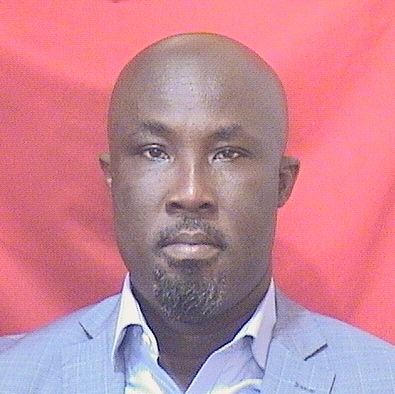
Profile
I am a Physician-Scientist (Haematologist/Immunologist) and academic leader whose career has evolved at the intersection of scholarship, university governance, and national-level executive management. I currently serve as a Professor at Kwame Nkrumah University of Science and Technology (KNUST) and I recently completed a transformative tenure (2022–2025) as Chief Executive Officer of the Komfo Anokye Teaching Hospital (KATH). My professional journey reflects a deliberate effort to integrate academic excellence with institutional reform, financial stewardship, and strategic leadership within both university and public sector systems.
I have a multidisciplinary academic background, having earned my PhD in Biology (Immunology and Biotechnology) from RWTH Aachen University in Germany, building on an MSc in Biomedical Sciences (Haematology) from the University of Westminster in the United Kingdom, and earlier Medical and Human Biology degrees from KNUST. I further completed the taught component of an EMBA in Strategic Management at KNUST. This combination of clinical medicine, laboratory science, and management training has enabled me to move fluidly between research, teaching, policy, and executive leadership responsibilities.
As a scholar, I have sustained an active and internationally visible research portfolio over more than a decade, with publications in indexed peer-reviewed journals spanning malaria immunology, haematological disorders, maternal health biomarkers, and translational clinical research. My work, indexed in PubMed, Scopus, and Google Scholar, reflects a consistent contribution to biomedical science in Ghana and internationally, supported by competitive research grants and multi-institutional collaborations. I have supervised postgraduate research, built laboratory capacity, and maintained scholarly productivity even while serving in demanding executive roles, reinforcing my identity as a physician-scientist deeply committed to advancing knowledge alongside institutional leadership.
Within academia, I have progressed through the ranks from Lecturer to Senior Lecturer and Associate Professor, serving in roles that shaped faculty governance and student life. As Dean of the Faculty of Allied Health Sciences, I provided academic and administrative leadership and contributed to faculty-wide strategic planning. As Vice Dean of Students and later Deputy Director responsible for Conduct and Discipline, I helped strengthen institutional stability by instituting structured, consistent engagement with student parliamentary leadership. I introduced regular consultative meetings that provided space for dialogue and reduced tensions on campus. I also successfully advocated at the University Council level for the elevation of the Dean of Students’ Office to Directorate status, demonstrating my capacity to navigate institutional reform within statutory frameworks.
During my tenure as Head of Department, I focused on building academic capacity and improving infrastructure. I spearheaded the introduction of MPhil and PhD programmes in Haematology, programmes that have now been sustained for almost a decade and continue to train postgraduate scholars. I secured private sponsorship to equip our laboratories without financial burden to the university and improved departmental logistics and resources. My approach has consistently been to ensure that governance decisions translate into tangible improvements in teaching, research, and student experience.
My exposure to university governance at the highest levels has significantly shaped my leadership perspective. While serving as a member of the Governing Council of KNUST, the Academic Board, the Development Committee, and the Charter Review Committee, I participated directly in statutory oversight, policy development, executive evaluations, and long-term planning. I have chaired reappointment and review committees and served on multiple search committees for Provosts and Directors. These experiences have given me deep insight into governance systems, accountability mechanisms, and the delicate balance between academic autonomy and institutional sustainability.
My role as Chief Executive Officer of Komfo Anokye Teaching Hospital further expanded my leadership scope; I led an institution of over 6,000 staff, serving more than 380,000 patients annually, with a budget exceeding GHC 650 million. I strengthened financial discipline and revenue mobilization strategies, leading to a doubling of internally generated funds within one year. I initiated and led the Heal Komfo Anokye Project, raising approximately USD 4 million to modernize critical hospital infrastructure, and launched a USD 43 million pharmacy block project funded entirely through internally generated resources. I oversaw the expansion of dialysis services from two to twenty machines, accelerated digitization initiatives, strengthened electronic medical records utilization, and introduced administrative reforms that improved oversight and staff morale. These reforms required strategic planning, stakeholder engagement, and the ability to align diverse professional groups around a shared institutional vision.
Beyond KATH, I have served in national leadership and governance roles, including acting as Executive Director of the Ghana Standards Authority, albeit for a short period, and serving on the Ministry of Health Sector Budget Committee. I have also held board positions within regulatory and professional bodies, including the Nursing and Midwifery Council and the Ghana Universities Staff Superannuation Scheme. These roles have deepened my understanding of public finance systems, regulatory environments, and inter-institutional collaboration, strengthening my ability to operate effectively within complex policy contexts.
The opportunity to serve in leadership within academic professional associations has been equally formative. As former National Vice President of the University Teachers Association of Ghana (heading its negotiations team) and President of its KNUST branch, I engaged directly in negotiations and policy advocacy at the national level. This experience provided me with a nuanced appreciation of academic staff concerns and the dynamics of collective bargaining. It has shaped my approach to leadership as one grounded in dialogue, fairness, and institutional responsibility, balancing staff welfare with fiscal prudence.
My professional journey thus reflects a commitment to bridging academic excellence with executive competence. I bring to leadership roles a combination of institutional literacy, fiscal discipline, strategic vision, and stakeholder engagement, grounded in experience at both university and national levels. I believe this integrated perspective enables me to contribute meaningfully to institutional advancement, ensuring that governance, finance, infrastructure, and academic mission remain aligned in pursuit of sustainable growth and excellence.